
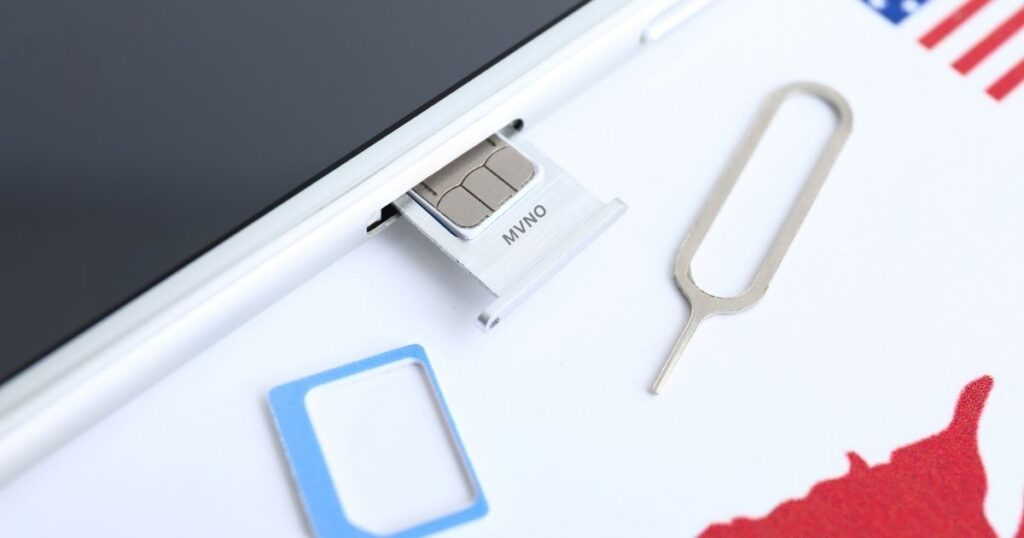
The landscape of the United States virtual wireless market is undergoing a massive structural shift. Historically, launching a Mobile Virtual Network Operator (MVNO) required multi-million dollar investments, lengthy manual system integration windows, and navigating archaic Business Support Systems (BSS) and Operational Support Systems (OSS) frameworks. Now, the arrival of next-generation cloud-native architectures is entirely decoupling telecom operations from legacy infrastructure dependencies, proving that software agility is the new currency of cellular scale.
Cloud-Native BSS/OSS Meets 5G Standalone Core
At the center of this transformation is the integration of European automation-first platforms directly into T-Mobile’s nationwide 5G Standalone (SA) network. Instead of managing cellular brands using fragmented IT stacks, modern operations run entirely on modular, unified operating engines like Telness Tech’s Seamless OS. By moving the entire technical infrastructure stack to a public cloud pipeline, operators achieve true network agility. This structural approach replaces static, human-dependent management workflows with programmatic, API-first automation.
This technical framework isn’t just a blueprint—it is actively transforming global telecom deployment. The capabilities of cloud-native automation are highlighted by massive cross-border service launches, such as Truecaller embedding fully digital travel eSIM services across 29 countries natively via a singular backend engine. Furthermore, the commercial validation of this automation model reached a peak when Tier-1 incumbent Mobile Network Operators (MNOs) like Telia officially integrated these cloud platforms directly into their corporate enterprise divisions to eliminate legacy B2B complexity.
Telecom Architecture Breakdown: Legacy vs. Cloud-Native Core
| Operational Metric | Legacy Infrastructure (Traditional MVNO) | Next-Gen Cloud Core (Seamless OS / 5G SA) |
|---|---|---|
| Go-To-Market Timeline | 6 to 12 Months (Heavy integration engineering) | As fast as 3 Weeks (Leveraging pre-integrated stacks) |
| Network Engine | 4G LTE/5G Non-Standalone (Dependent on old cores) | 5G Standalone (SA) Core (Fully decoupled software) |
| SIM Delivery Model | Physical Logistics & Shipping Fulfillment | Programmatic Over-The-Air (OTA) eSIM Provisioning |
| System Modification | Costly manual vendor change requests | Visual Drag-and-Drop No-Code Workflow Adjustments |
| OPEX Overhead | High (Massive human support overhead) | Drastically Reduced (Up to 80% lower system costs) |
The Technical Pillars of Modern Telco Automation:
- Programmatic Provisioning: Instant, over-the-air eSIM delivery, structural profile downloading, and automated real-time SIM provisioning scripts that eliminate traditional physical fulfillment loops.
- No-Code Product Mapping: Deploying comprehensive product catalogs that allow telecom operators to bundle mobile data, international roaming packages, and software value-added services natively without code constraints.
- Agentic NetOps Integration: Utilizing built-in model-agnostic AI layers to handle automated subscriber tracking, real-time usage analysis, and omnichannel customer lifecycle notifications.
Cross-Border Case Studies: 2026 Commercial Validation
To understand how rapidly cloud-orchestration scales wireless brands, administrators can analyze active, real-world enterprise deployments across different operational models:
| Deploying Enterprise | Target Market Segment | Core Network Integration | Key Operational Impact |
|---|---|---|---|
| New York Mobile | U.S. Startups & Small Businesses | T-Mobile Nationwide 5G SA | First U.S. MVNO utilizing complete cloud BSS/OSS architecture. |
| Truecaller | Global Travelers (29 Countries) | Embedded Global eSIM Pipeline | Transitioned a 500M+ app userbase into an active digital consumer marketplace. |
| Telia Company | Tier-1 Enterprise B2B Niche | Incumbent MNO Infrastructure | Acquired Telness operator division; deployed Seamless OS within a legacy network core. |
The Economics of Automated Telecom Operations
For challenger mobile brands competing in a highly margin-compressed landscape, infrastructure agility directly impacts viability. Traditional setups force operators to continuously file costly code customization change requests with legacy billing vendors just to roll out new pricing configurations or promotional campaigns. By transitioning to centralized, software-defined telecom cores, corporate brands reduce structural system overhead by up to 80%. While cloud automation scales deployment efficiency, hardening your localized system endpoints remains a core priority, as examined in our blueprint on Windows printer security.
When network logic is managed via a visual, drag-and-drop workflow engine, a lean team can launch, test, and adapt cross-channel subscriber journeys natively. Furthermore, integrating advanced agentic AI tools allows virtual brands to automatically process common subscriber tickets—like international roaming activations or line balance check queries—lowering operational expenditures while significantly scaling overall subscriber capability.
Frequently Asked Questions (FAQ)
What is the role of a BSS/OSS platform in telecom networks?
The Business Support System (BSS) handles customer-facing commercial operations like billing, product catalog management, ordering pipelines, and customer relationship logging. The Operational Support System (OSS) manages the back-end network operations, interface provisioning, and service activation routines. Cloud-native architecture consolidates both into a singular, automated software ecosystem.
What are the main technical benefits of 5G Standalone (SA) for MVNOs?
Unlike non-standalone networks that rely on legacy 4G LTE radio components, a 5G Standalone network core operates entirely independently. This architecture unlocks ultra-low latency pipelines, high-density device connectivity, and advanced network slicing options, allowing virtual operators to configure dedicated quality-of-service parameters for custom user propositions.
What is an embedded travel eSIM service?
An embedded travel eSIM is a fully digital mobile data service that allows travelers to download and activate destination-based cellular profiles remotely within minutes. It eliminates the logistical friction, hardware sourcing issues, and high costs associated with physical card components or traditional international roaming packages by running voice and messaging apps smoothly over a digital data link.